
集今之所
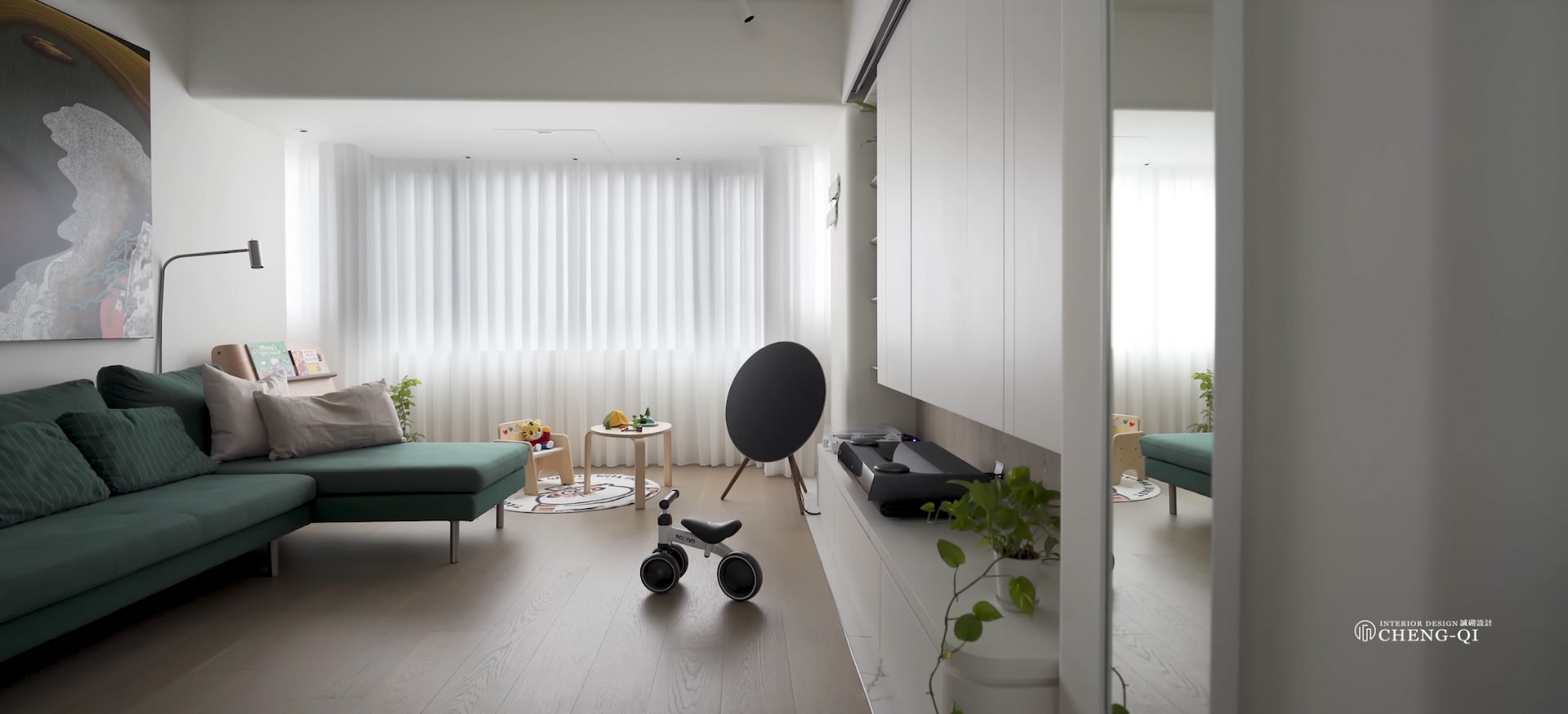
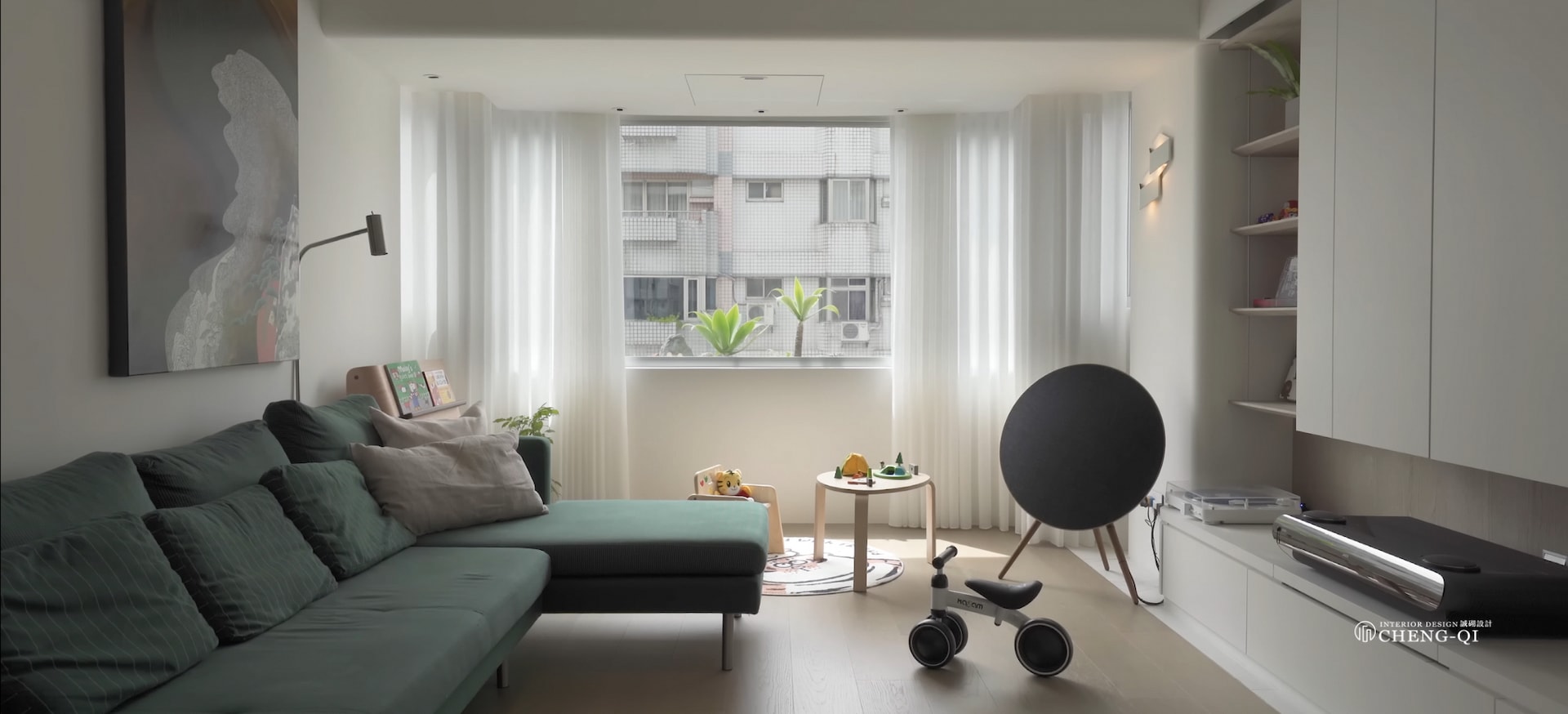
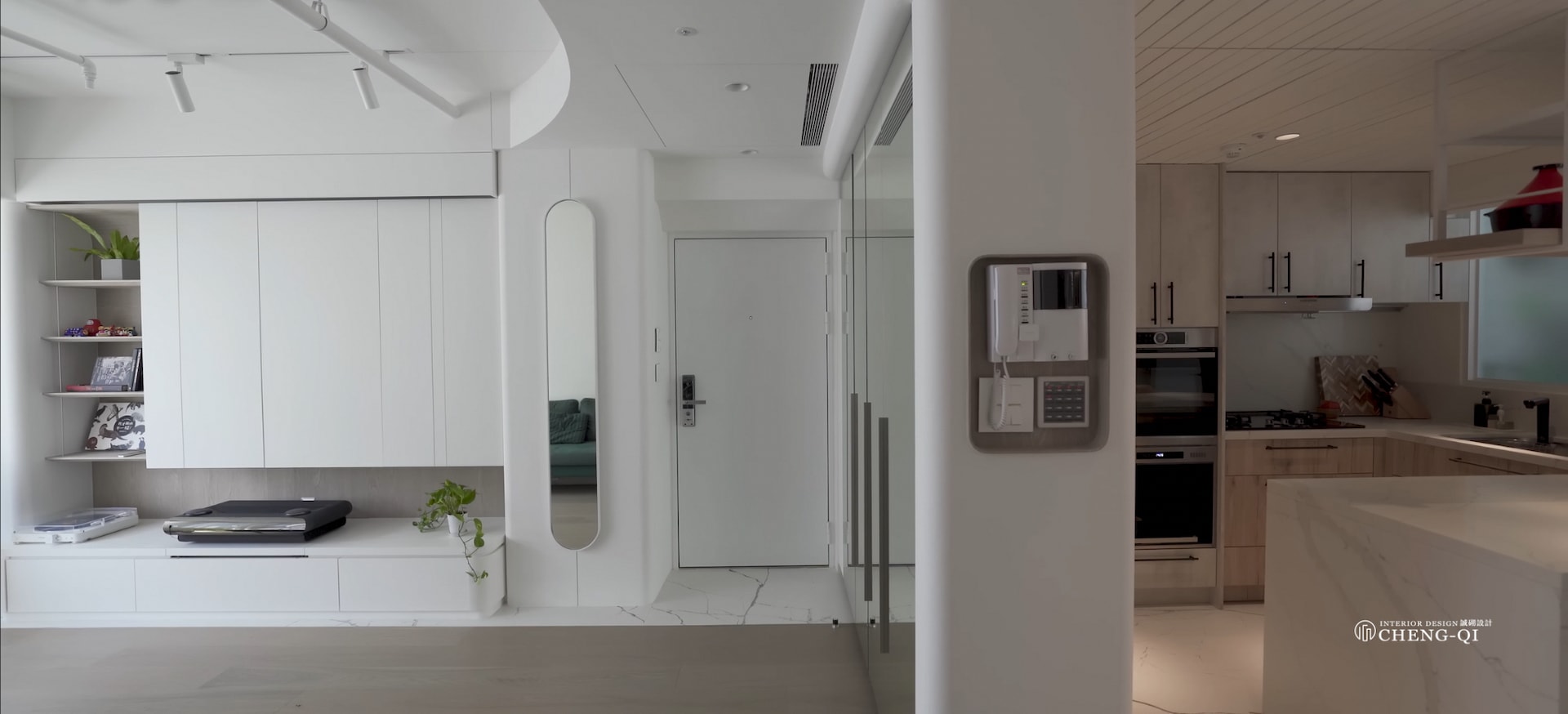
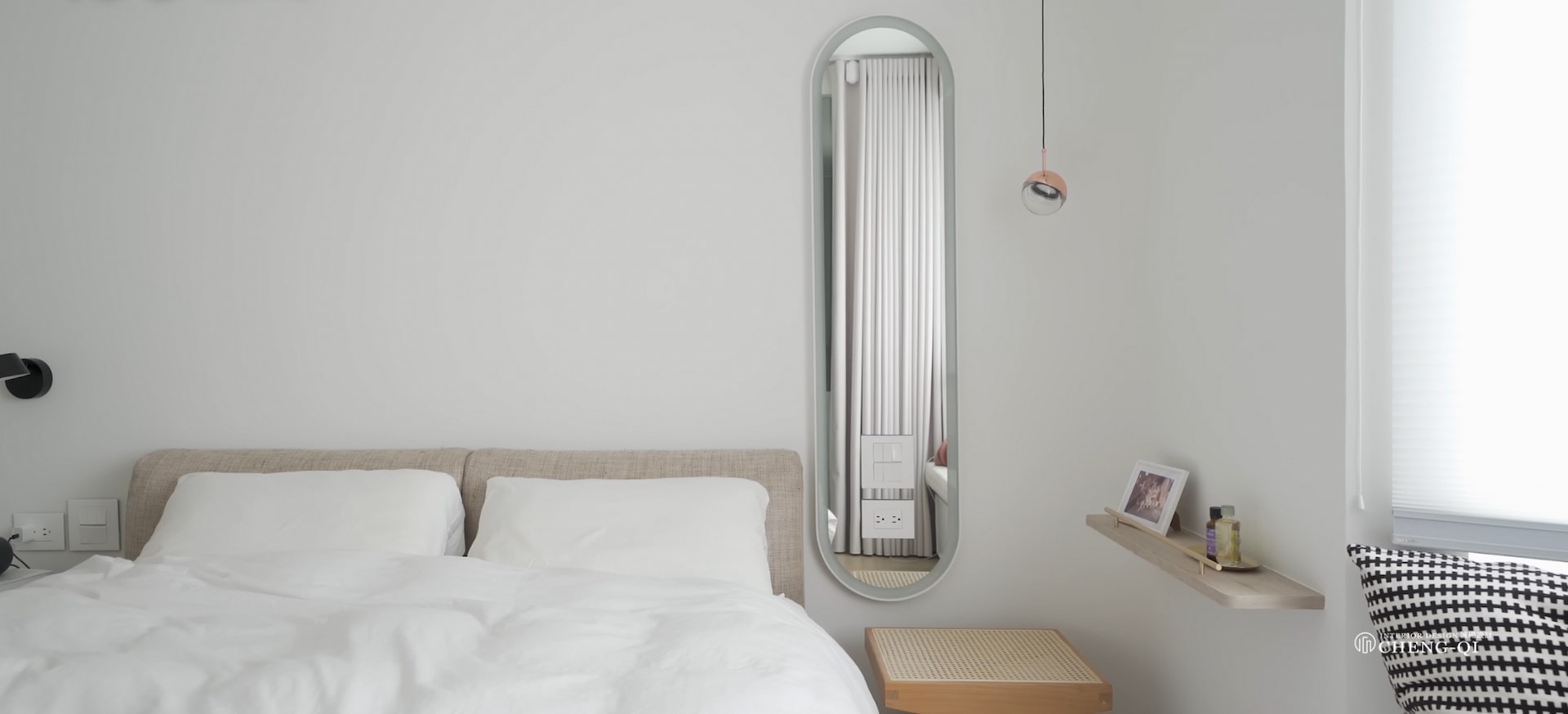
本案以簡約溫暖為設計核心,透過雪白色與木質調結合智慧家居系統,重新定義了 23 坪老國宅的生活方式。
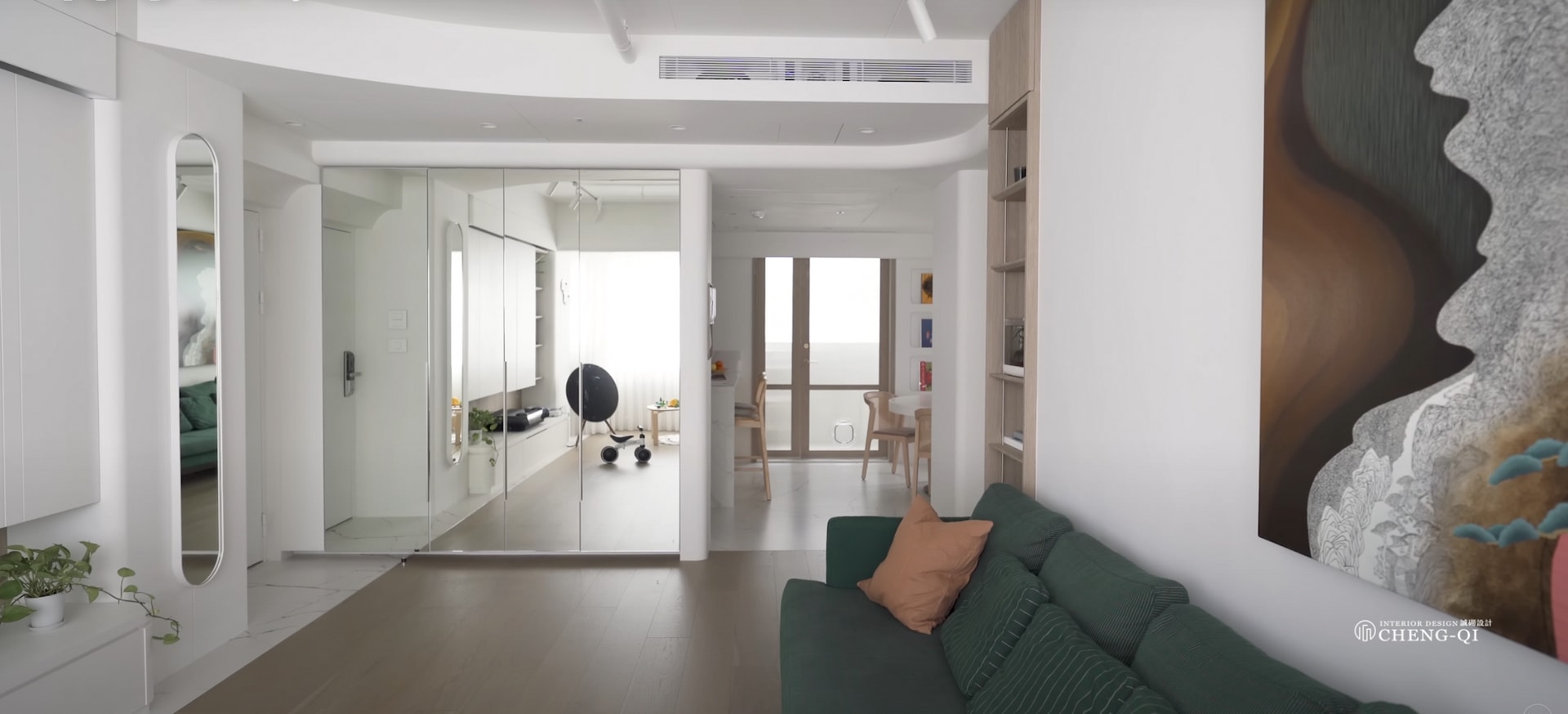
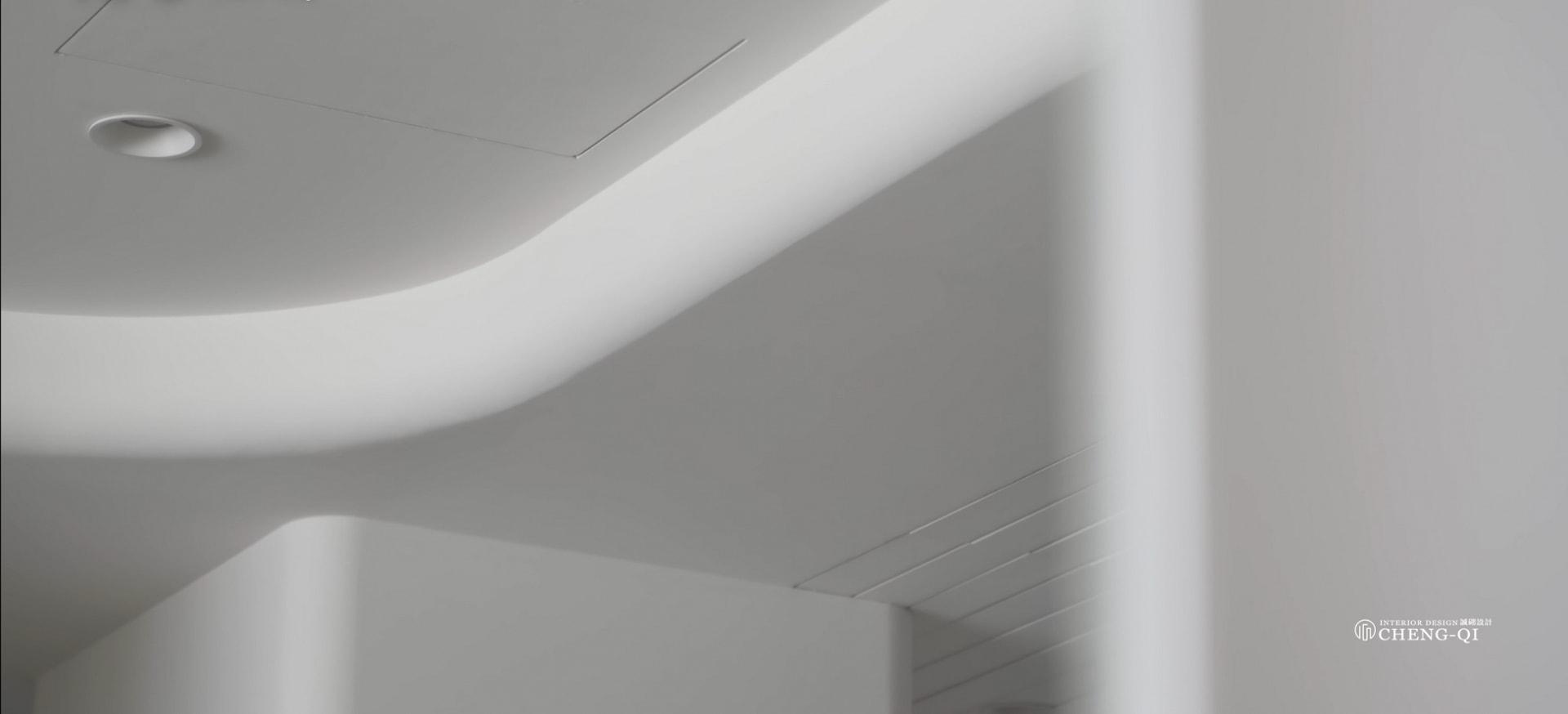
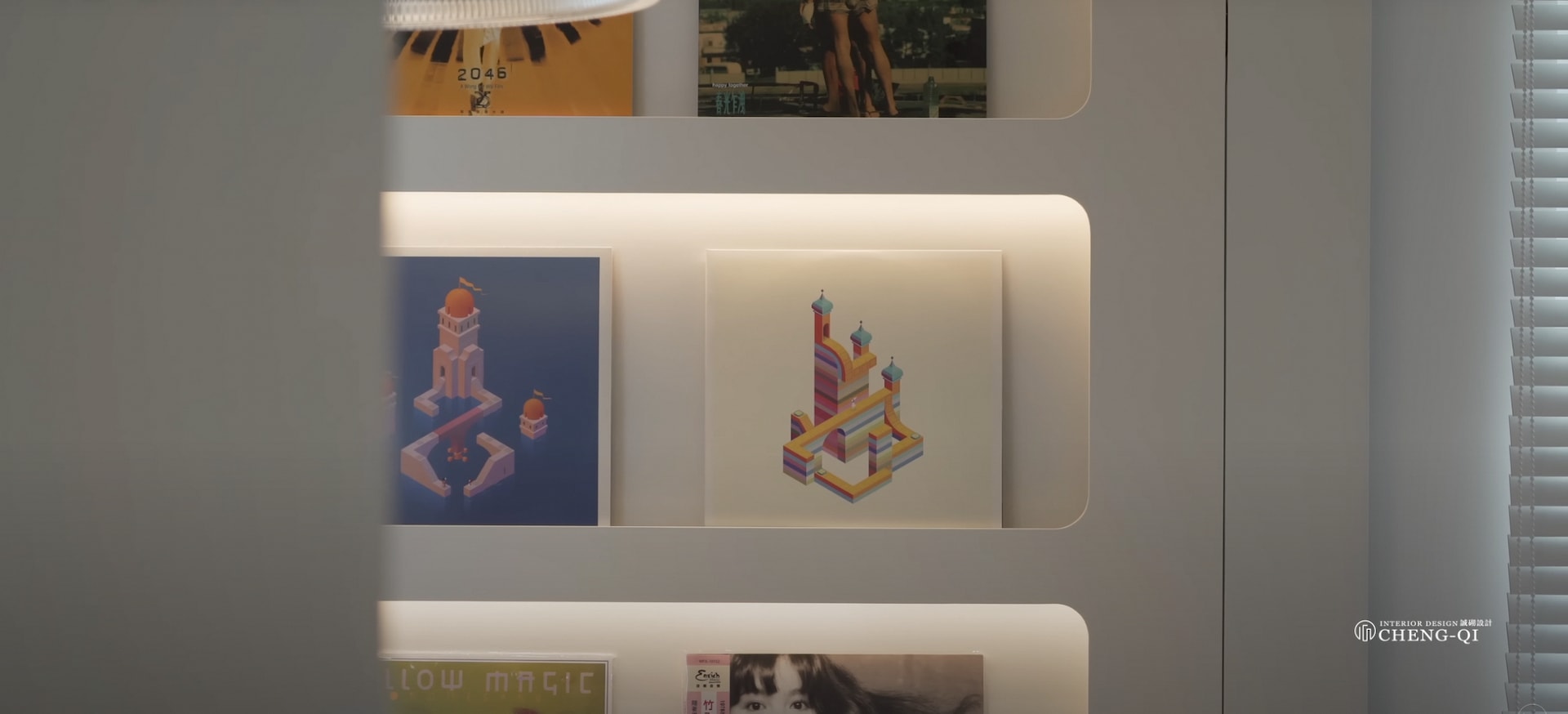
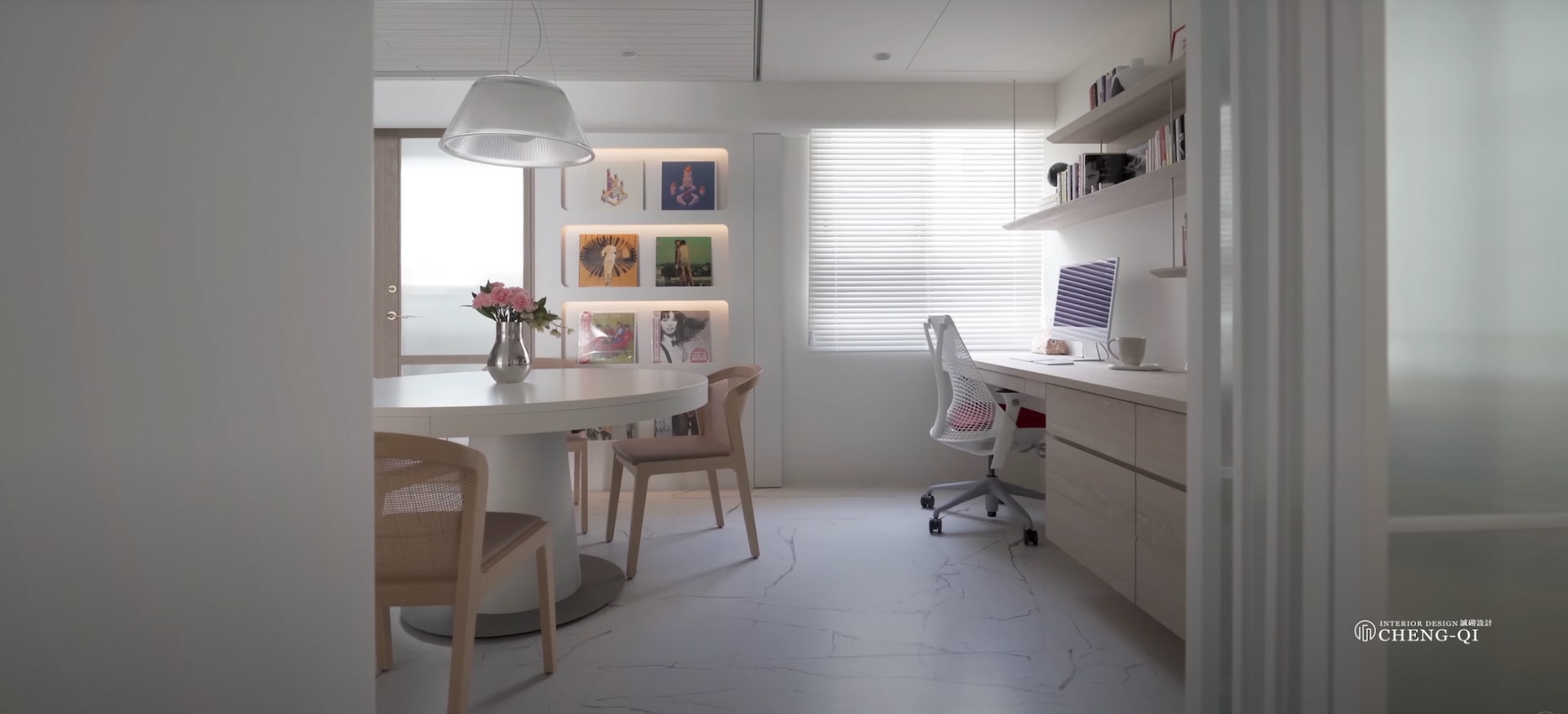
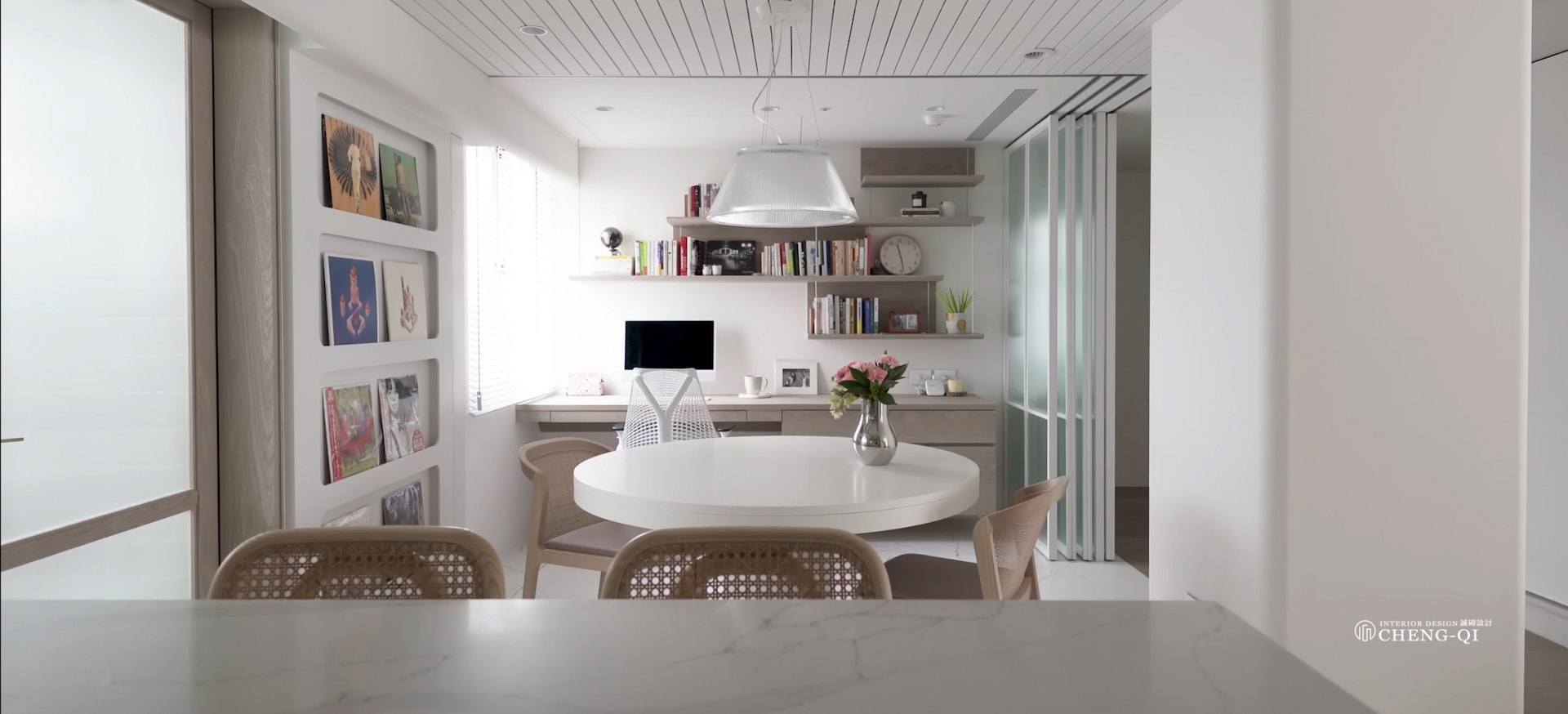
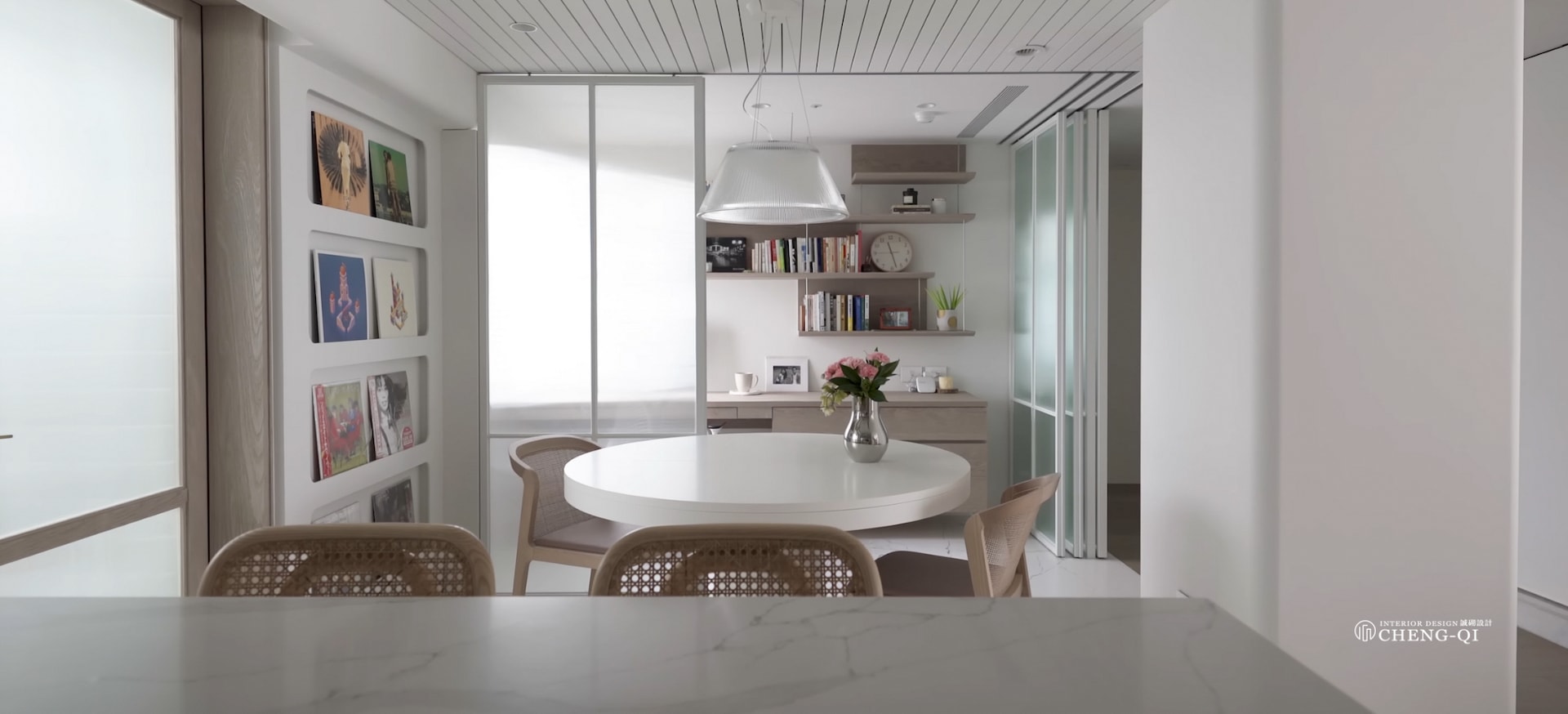
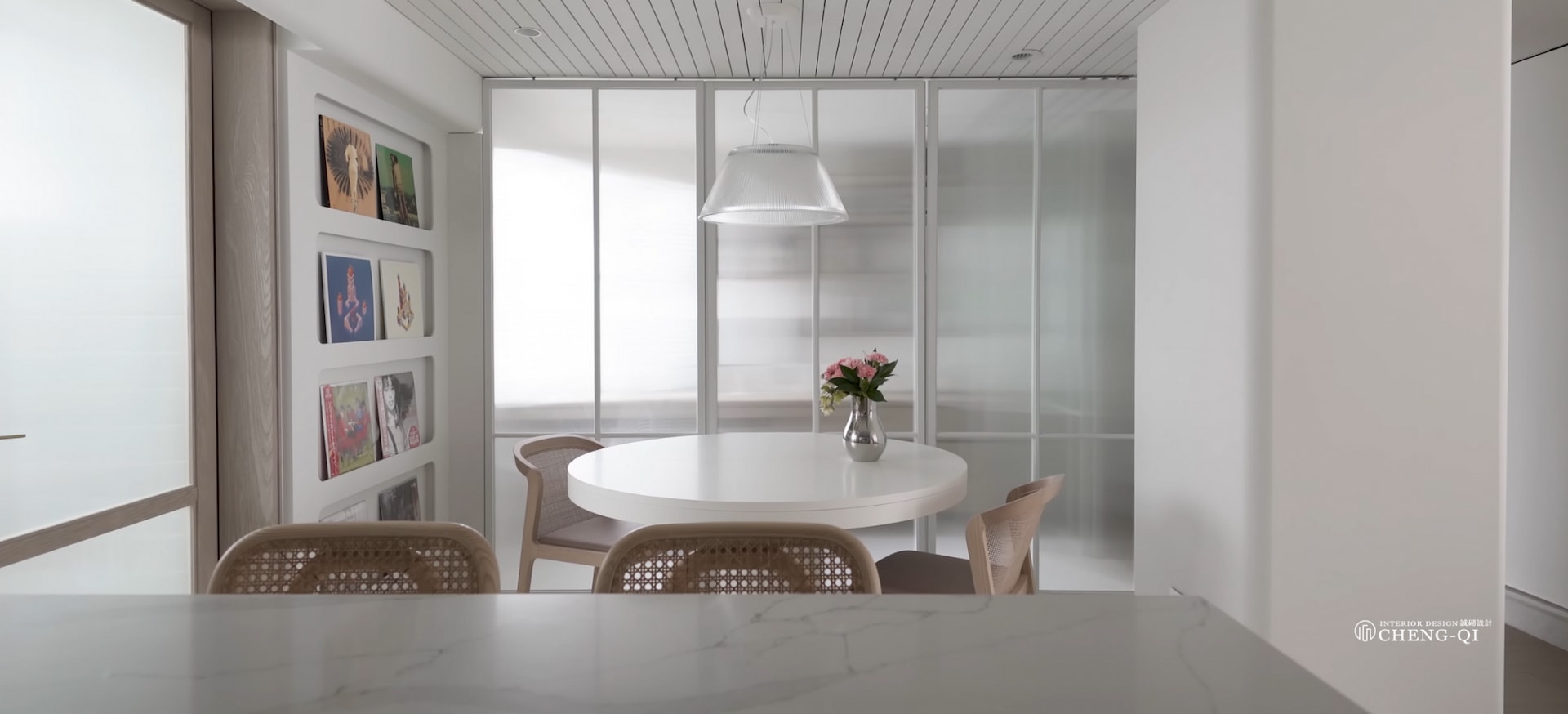
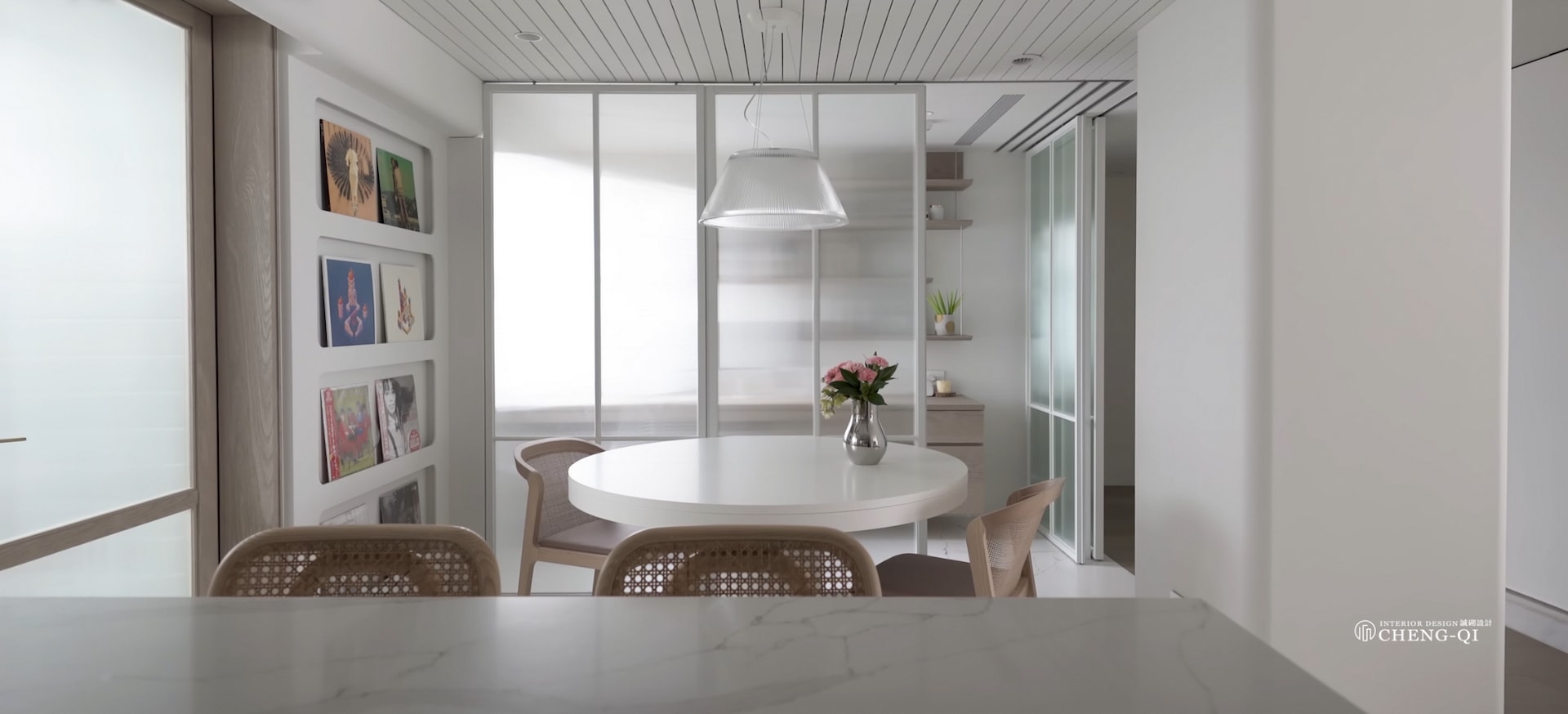
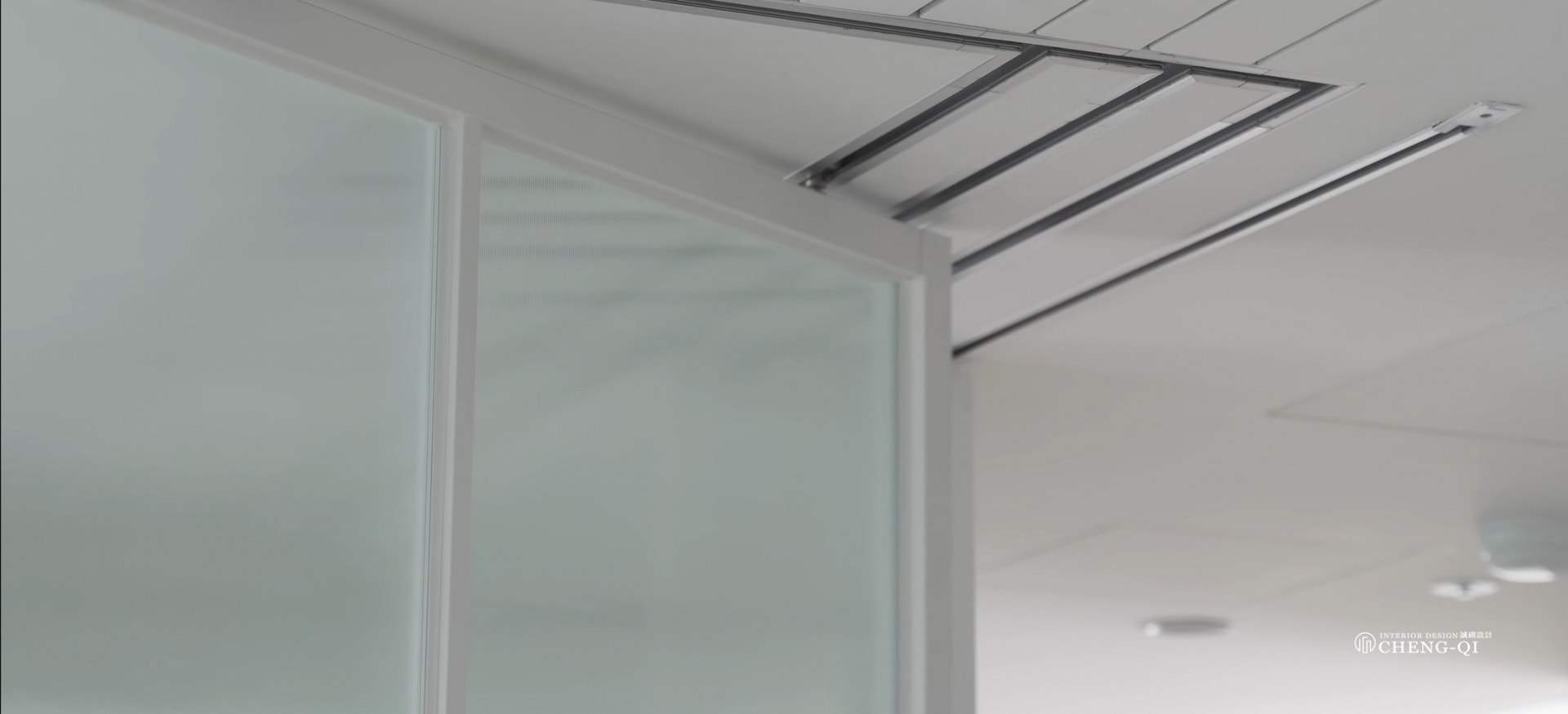
國宅因樓高較低,設計師將所有管線隱藏於天花板造型內,避免了繁雜的管線影響室內高度,並實現乾淨流暢的視覺效果。採用吊軌門片模糊空間界線、打造靈活場域:平時敞開作為開放式餐廳,門片合起時,則創造安靜專注的工作書房。
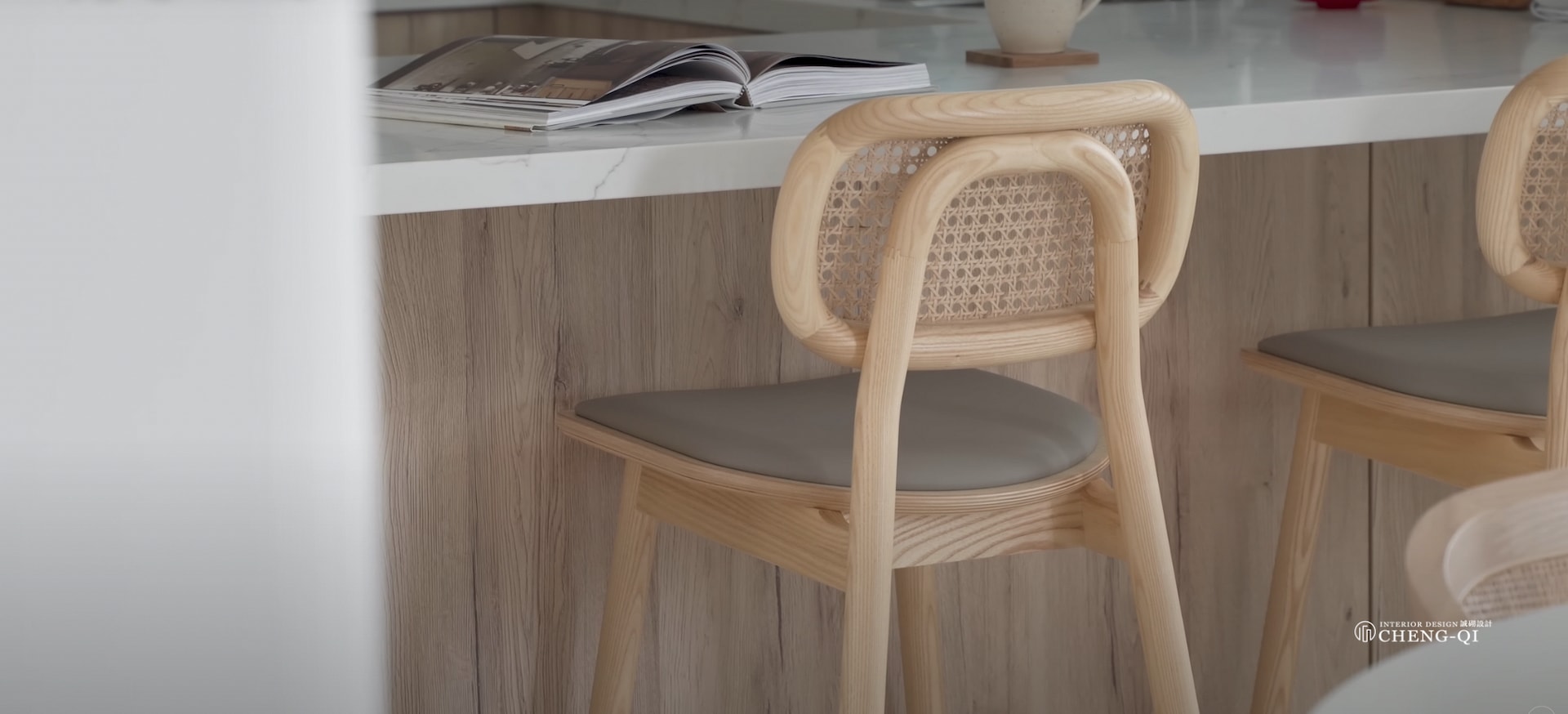
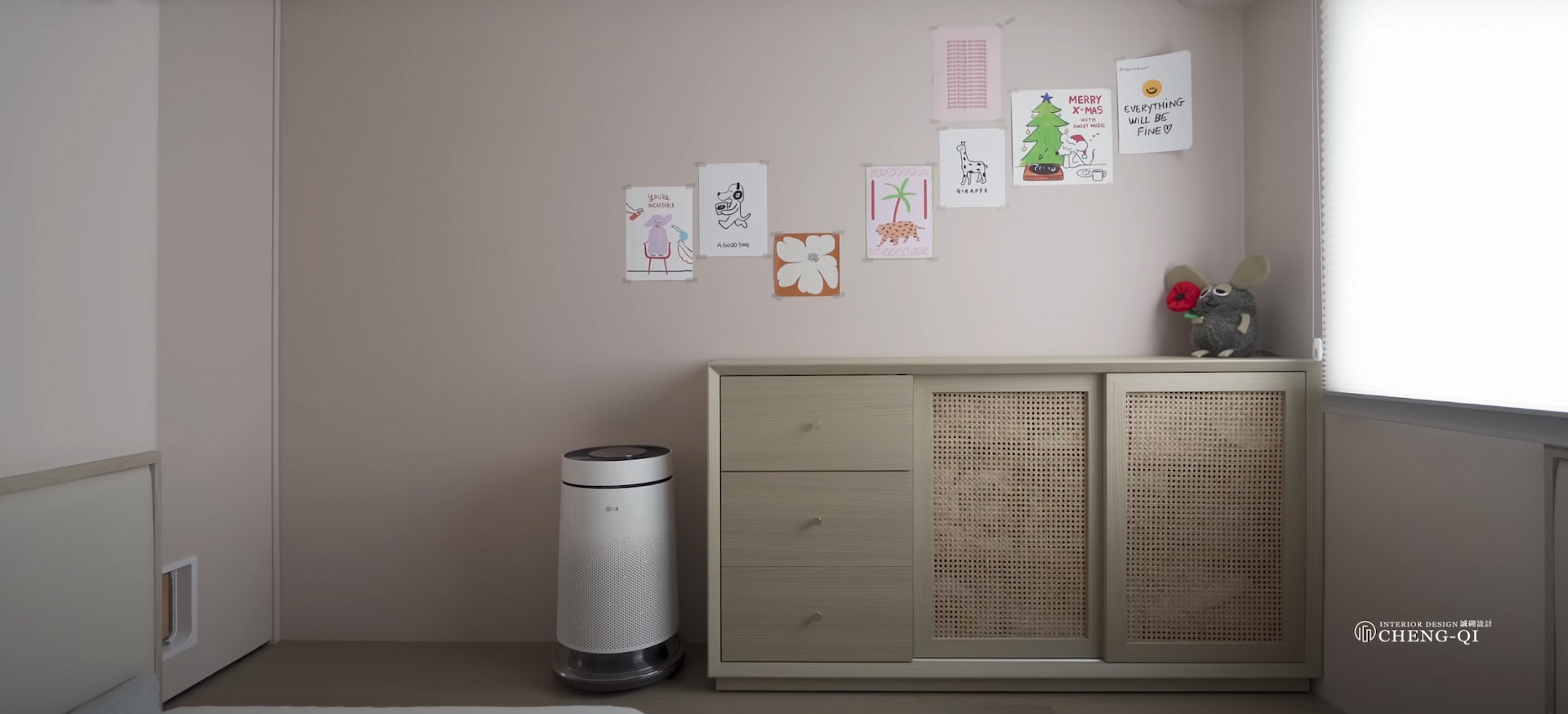
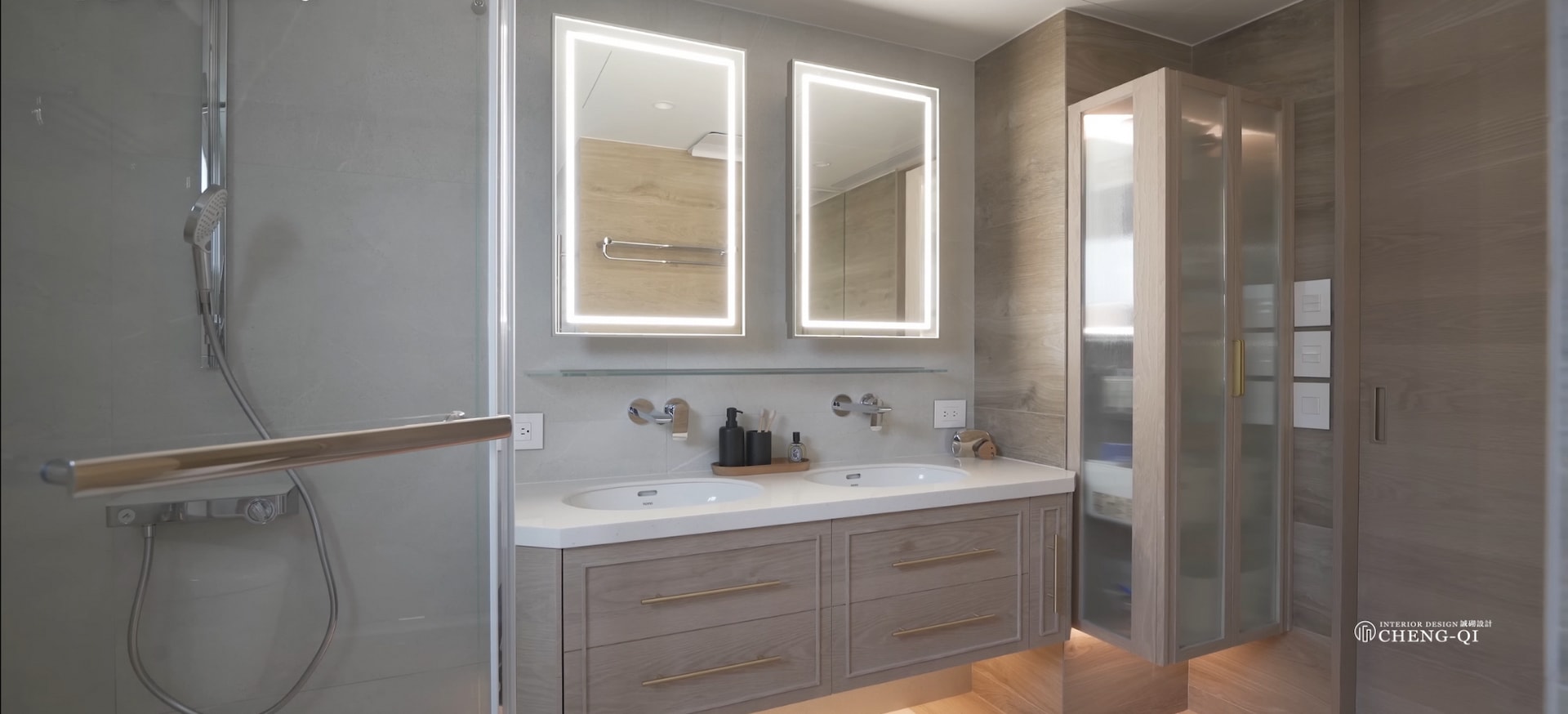
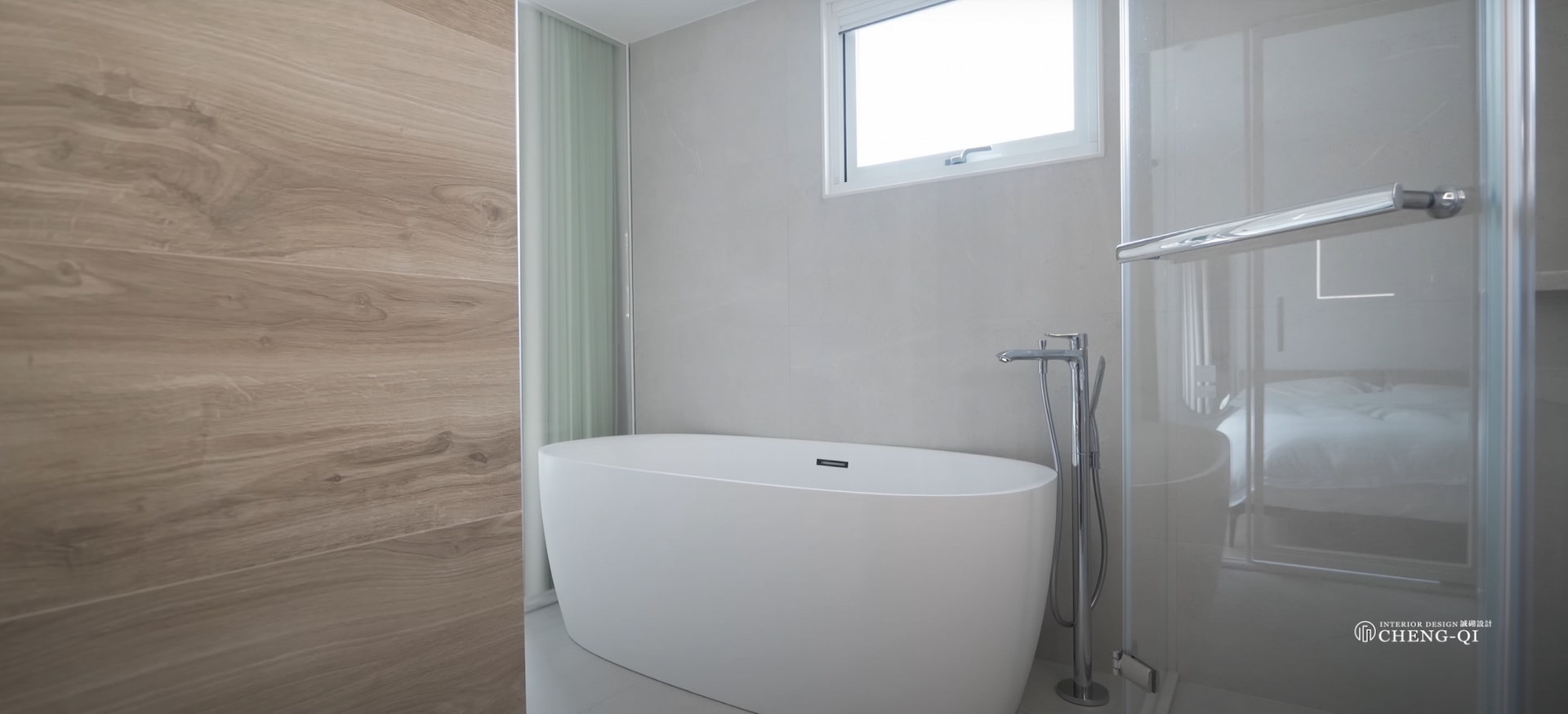
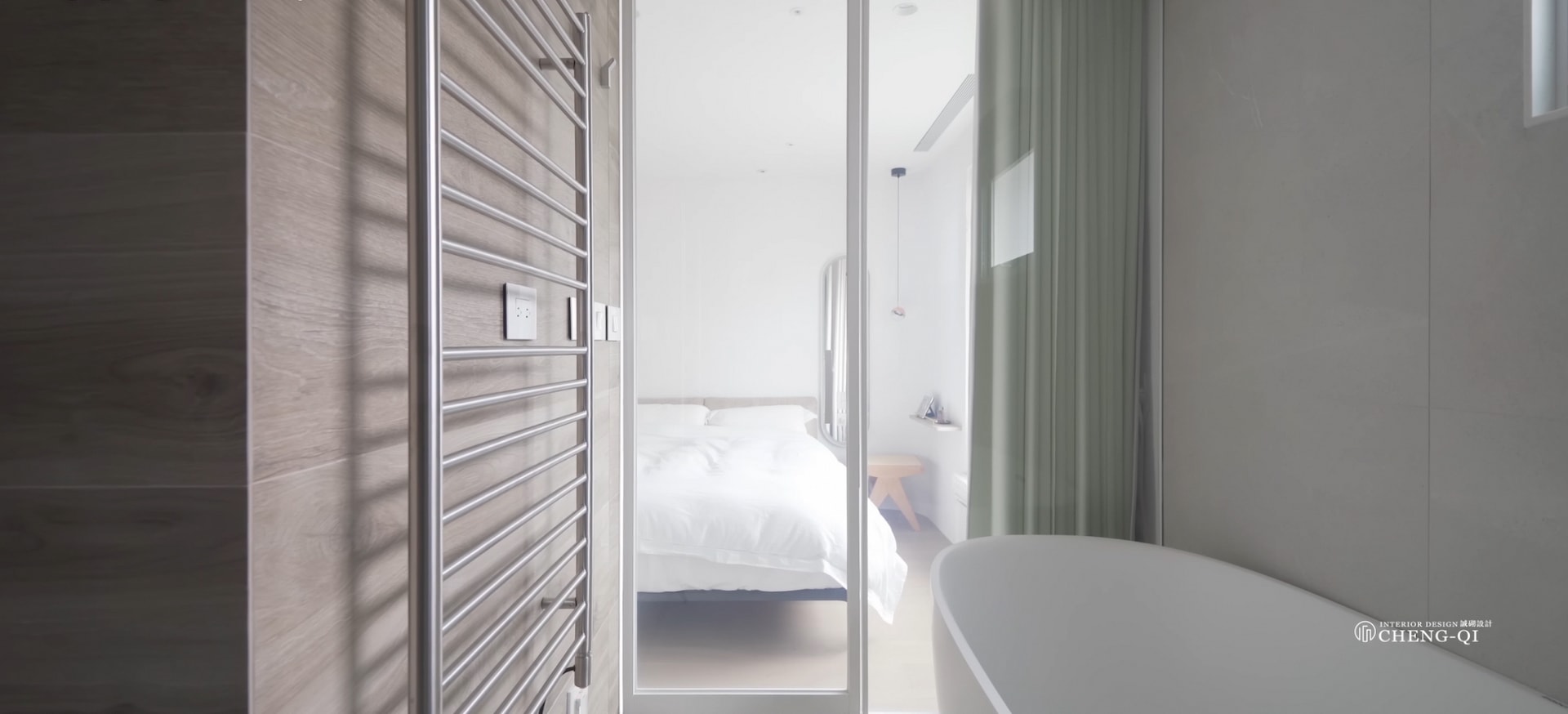
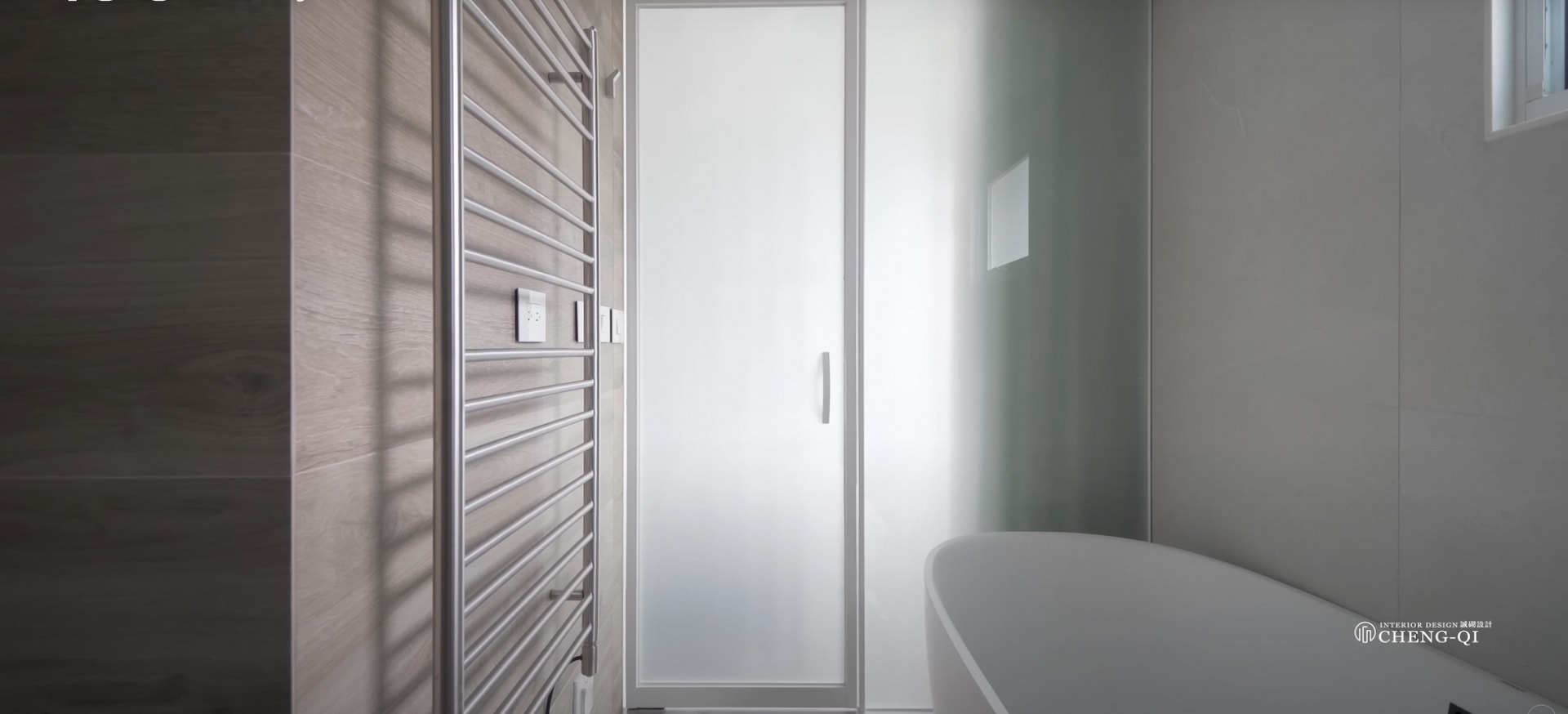
本次改造重點其一為擴大與完善衛浴空間。回應屋主機能需求,設置雙面盆與獨立浴缸;浴室門則採用電控霧化玻璃,在使用上兼具隱私與通透感。家具的選配在細節上保留眷村記憶,融入藤編元素,承襲家族歷史連結。
家中導入全屋智慧系統,包括照明、溫度調節、居家安全、影音娛樂等,皆能透過聲控系統進行操作。簡單的一句指令,便能啟動當下需求的情境模式,例如透過「睡眠模式」來切換成睡前氛圍燈,幫助孩子建立生活規律,也創造親子互動的儀式感。隨著科技的成熟,現今的智慧家居得以適應居住者的需求,透過客製化的情境設計來達成自動化應用、省去繁瑣操作。
室內設計師是為了處理人與空間的關係而存在,需要與時俱進並回歸使用者的生活樣態。此案作為將國宅老屋轉化為現代智慧宅的範例,結合智慧家庭科技於室內設計中,在設計上滿足居住需求亦保留空間彈性,並完成承襲家族連結的任務,實現便利舒適的高效生活。
This project centers on a warm, minimalist design approach, redefining the lifestyle of a 23-ping aging public housing unit through the integration of soft white tones, natural wood textures, and a comprehensive smart home system.
Due to the relatively low ceiling height typical of such buildings, the designer concealed all mechanical and electrical systems within custom ceiling forms, maintaining a clean and uninterrupted visual flow. Sliding track doors were used to blur spatial boundaries and introduce flexibility: when open, the space functions as an open dining area; when closed, it transforms into a quiet and focused home office.
One of the renovation’s key objectives was to expand and upgrade the bathroom. In response to the homeowner’s functional needs, the new layout includes dual sinks and a freestanding bathtub. The bathroom door features electrochromic smart glass, offering both privacy and a sense of openness on demand. Furniture details subtly retain the memory of the military dependents’ village where the family once lived, incorporating woven rattan elements that honor family heritage.
The home is equipped with a fully integrated smart system—covering lighting, temperature control, home security, and multimedia entertainment—all operable via voice commands. A simple phrase can trigger a personalized scene setting; for instance, activating “sleep mode” dims the lights to a restful glow, helping children establish a healthy bedtime routine while enhancing the ritual of parent-child bonding. As smart home technology becomes more refined, its ability to adapt to users’ lifestyles allows for seamless automation and intuitive control through customized scenarios.
Interior design, at its core, exists to shape the relationship between people and space. Designers must evolve alongside modern living, grounding aesthetics in human needs. This project exemplifies how a dated public housing unit can be transformed into a contemporary smart home—balancing modern technology with spatial adaptability, fulfilling both functional living and the emotional continuity of family heritage.
Location:台北市信義區, 台灣
Area: 76m2
立即預約諮詢
將有專人儘速與您聯繫,謝謝您的耐心等候!